
Solutions & studies
Long-term solutions require qualified, reach-specific evaluation
The Task Force supports science-based, environmentally responsible alternatives—not a predetermined treatment for every location.
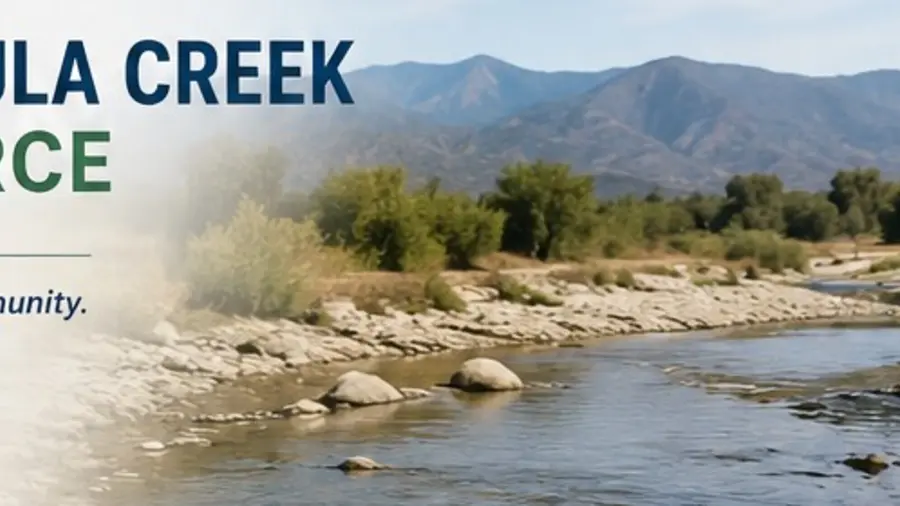
Spur groins, rock, concrete, vegetation, bioengineering, floodplain work, and other measures can each have benefits, limits, and unintended effects. Qualified professionals and responsible agencies must determine what is appropriate at a specific site.
Categories to evaluate
Potential approaches and their tradeoffs
01Bank stabilization
- What it may involve
- Engineered, vegetated, or combined treatments designed for a specific bank and creek reach.
- Potential benefits
- May reduce erosion and protect selected assets when properly designed.
- Limitations or tradeoffs
- Can shift flow or scour, affect habitat, and require inspection and maintenance.
- Professional studies
- Hydraulic, geotechnical, geomorphic, structural, and environmental analysis.
- Environmental and permitting considerations
- Agency jurisdiction, environmental review, habitat, water quality, and construction access must be evaluated.
02Floodplain restoration
- What it may involve
- Reconnecting suitable areas so high flows have more room where land, ownership, and infrastructure allow.
- Potential benefits
- May reduce erosive energy and improve habitat in appropriate reaches.
- Limitations or tradeoffs
- Requires space, willing participation, and careful analysis of effects on neighboring land.
- Professional studies
- Hydraulic modeling, geomorphology, land feasibility, habitat, and property analysis.
- Environmental and permitting considerations
- Land agreements, environmental review, floodplain rules, and multiple agency approvals may apply.
03Channel and sediment management
- What it may involve
- Reach-scale measures addressing sediment movement, channel form, and constrictions.
- Potential benefits
- May address system conditions that influence erosion rather than only one bank.
- Limitations or tradeoffs
- Sediment systems are complex; repeated intervention may be needed and downstream effects matter.
- Professional studies
- Sediment budget, geomorphic assessment, hydraulic modeling, and monitoring design.
- Environmental and permitting considerations
- Water quality, habitat, disposal, access, and agency maintenance authority require review.
04Vegetation and bioengineering
- What it may involve
- Native vegetation, engineered soil systems, woody material, and structural support in suitable settings.
- Potential benefits
- May combine bank protection with habitat and riparian benefits.
- Limitations or tradeoffs
- Establishment takes time and may not withstand every flow condition without structural support.
- Professional studies
- Bank stress, soils, vegetation suitability, irrigation, hydraulics, and maintenance planning.
- Environmental and permitting considerations
- Species, habitat, water use, construction timing, and long-term stewardship must be addressed.
05Repair or replacement of damaged structures
- What it may involve
- Assessing older groins, grade controls, crossings, and other features for repair, removal, or redesign.
- Potential benefits
- May restore an intended function or remove a feature that is worsening local conditions.
- Limitations or tradeoffs
- Past designs may not fit current conditions; construction can be costly and disruptive.
- Professional studies
- Condition assessment, original plans, hydraulics, structural analysis, and alternatives evaluation.
- Environmental and permitting considerations
- Ownership, maintenance responsibility, environmental review, and construction authorization must be clear.
06Infrastructure improvements
- What it may involve
- Protecting or adapting roads, bridges, utilities, drainage, and flood-control systems.
- Potential benefits
- Can reduce service disruption and protect community assets.
- Limitations or tradeoffs
- Large projects require funding, coordination, and compatibility with creek processes.
- Professional studies
- Asset risk, hydraulic and structural analysis, lifecycle cost, and emergency access planning.
- Environmental and permitting considerations
- Lead agencies, rights-of-way, utility owners, environmental review, and funding rules apply.
07Monitoring and maintenance
- What it may involve
- Repeat surveys, photography, inspections, trigger thresholds, and assigned maintenance responsibilities.
- Potential benefits
- Provides evidence of change and helps agencies act before failures become more costly.
- Limitations or tradeoffs
- Requires stable funding, consistent methods, and accountable ownership over time.
- Professional studies
- Baseline mapping, monitoring protocol, data governance, and maintenance planning.
- Environmental and permitting considerations
- Access, privacy, data publication, and permits for maintenance activity must be addressed.
08Land-use and setback planning
- What it may involve
- Using current hazard information in future siting, setbacks, easements, and land-management decisions.
- Potential benefits
- Can reduce new exposure and preserve room for creek processes over time.
- Limitations or tradeoffs
- May affect property use and must be fair, evidence-based, and publicly discussed.
- Professional studies
- Hazard mapping, legal and planning review, infrastructure analysis, and community engagement.
- Environmental and permitting considerations
- Local planning authority, property rights, existing uses, and public process are central.
09Temporary risk reduction
- What it may involve
- Time-limited protective actions for locations found to face immediate danger while long-term work proceeds.
- Potential benefits
- May reduce near-term exposure when agencies and qualified professionals act quickly.
- Limitations or tradeoffs
- Emergency work can fail, shift risk, or become a substitute for durable planning.
- Professional studies
- Rapid professional assessment, hydraulic effects, constructability, and monitoring.
- Environmental and permitting considerations
- Emergency authorization, property access, environmental safeguards, and removal or maintenance plans are required.
Document library
Studies, reports, plans, and correspondence
Every published record should include a title, date, issuing organization, document type, plain-language summary, and source link.
Document review is underway
Government studies, engineering reports, environmental documents, meeting materials, historical plans, Task Force reports, and correspondence will appear only after source and redistribution review.