
High water
Fast, deep flows can increase force along bends, constrictions, and exposed banks.
The problem
High water, moving sediment, channel migration, and damaged or aging infrastructure can change where the creek’s force reaches the banks.
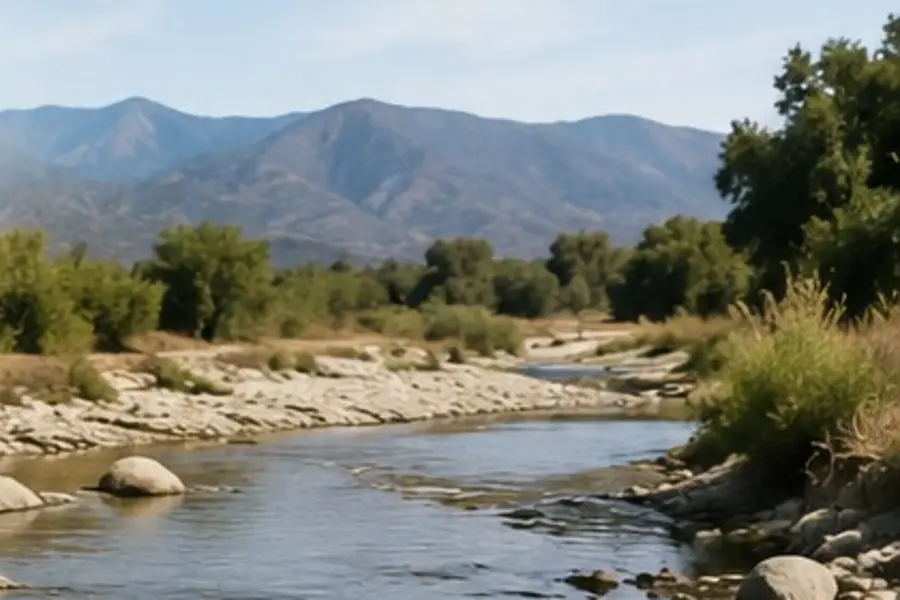
Creek processes
Fast, deep flows can increase force along bends, constrictions, and exposed banks.
Gravel, rock, and debris can redirect flow, raise or lower portions of the bed, and change local scour.
A natural channel can move laterally over time, especially when high flows encounter changing bank or bed conditions.
Older structures may deteriorate, wash away, be bypassed, or stop functioning as originally intended.
Conditions interact across an entire creek reach. Hydraulic, geotechnical, geomorphic, environmental, and infrastructure analysis is needed before selecting work for a specific location.
Read evidence carefully
A statement in a published agency record, linked to its source.
Analysis prepared by a qualified professional with scope and limitations stated.
What a resident saw or reported; not independently verified engineering evidence.
A public request or advocacy statement from the coalition.
Public record timeline
Plans, construction dates, responsible agencies, and maintenance records are being requested and reviewed.
Creekside residents report that high flows damaged or bypassed some older features and continued to erode banks.
Residents and community supporters begin a coordinated education, documentation, and advocacy effort.
The Task Force is requesting transparent interagency assessment, public participation, and a funded path forward.
Dates and records marked as pending will be replaced only after source review. Submit supporting documents through the contact page.
Public action matters